
BLACK
TAX
A debt-ridden Nigerian-Canadian woman returns home for her estranged father's funeral, only to be treated as her family's personal ATM, until she hijacks the burial to finally choose herself.
The StoryWhat does it cost
to choose yourself?
Black Tax begins at a rural bus stop in Edo State. Odion Aigbe steps off looking completely out of place, overdressed, uncomfortable, like she doesn't belong. She's just been laid off from her job, is flat broke, and has just returned home for the funeral of a father she barely knew.
Before she even reaches the house, everyone in the family minibus has billed her. The aunt. The uncle. The twin brother who stayed behind when she was sent to Canada. The caterer who's carrying a goat. Even the tailor who the aunt has kidnapped to make sure their asoebi will be ready in time for the funeral!
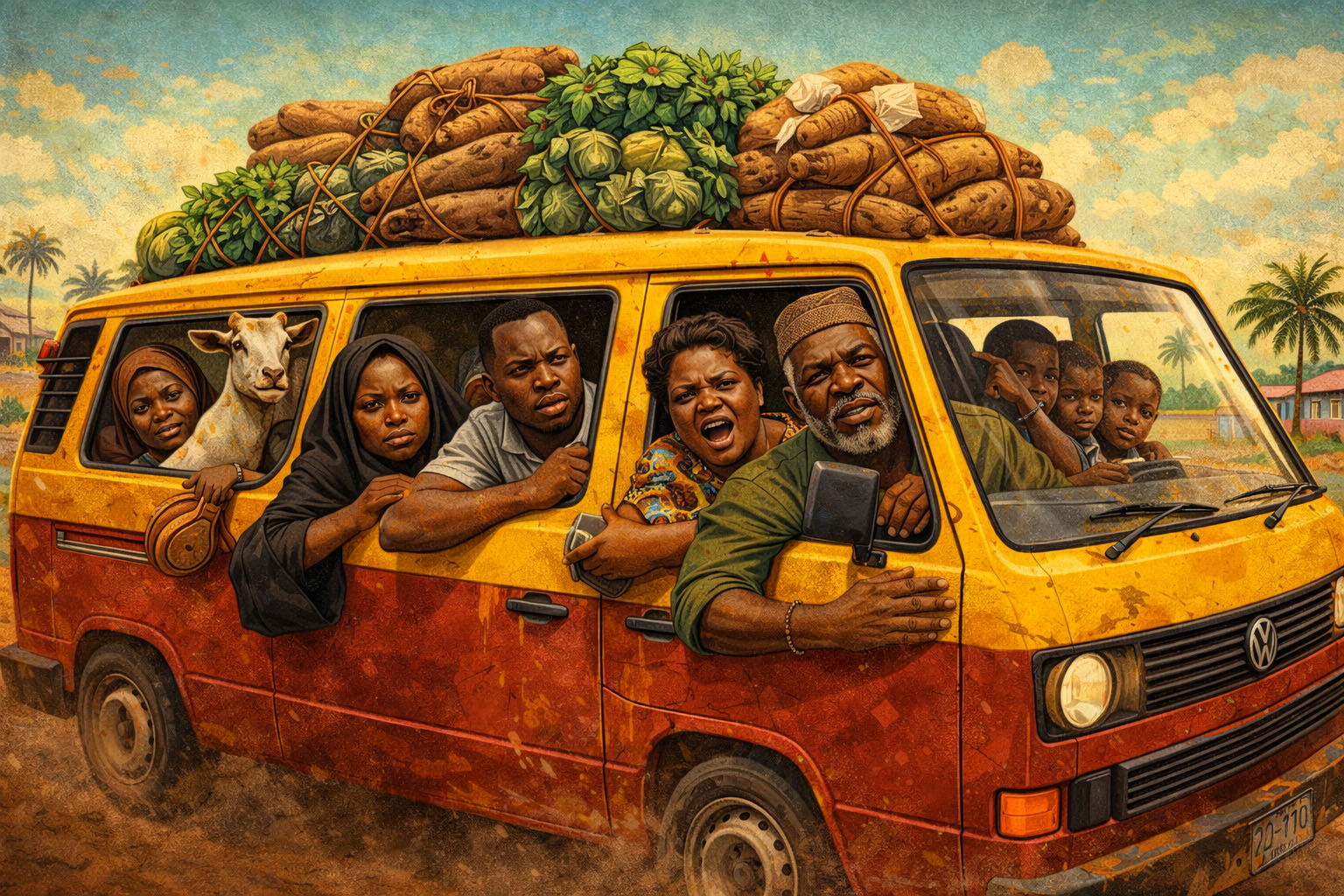
"In her father's room, she finds an old photograph. On the back, a love letter. A pact. That even in death, he and her mother should not be apart. That moment changes everything."
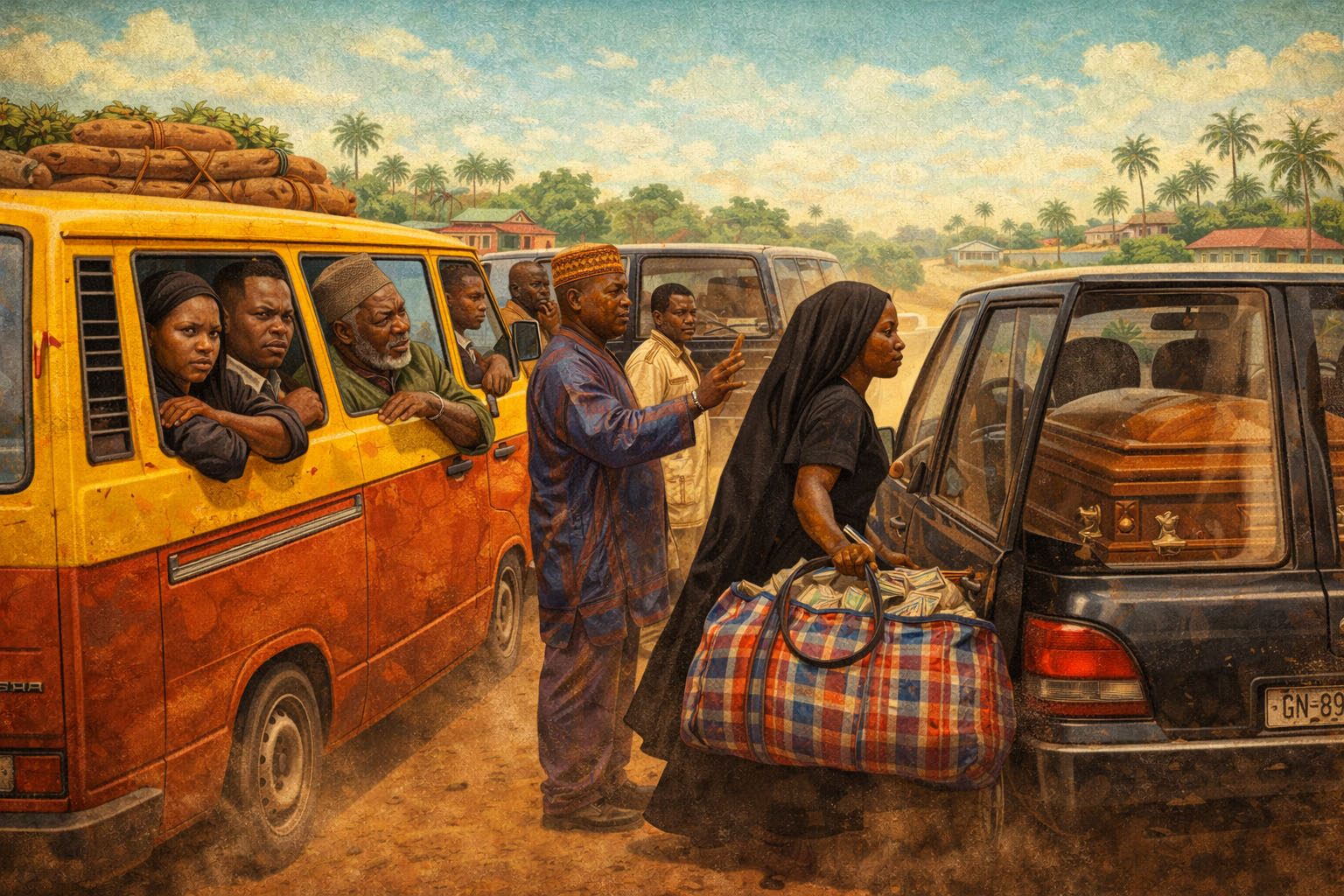
What follows is chaotic, uncomfortable, and darkly funny. When the family is stopped on the road and all eyes turn to Odion to pay, she does something no one expects. She gets out of the car, walks to the hearse, and redirects the burial entirely.
She hijacks her father's funeral. And in doing so, she forces her family to say everything that has gone unspoken for years. Black Tax asks a question many of us already know the weight of: what do we owe our families, and what do we owe ourselves?
This story is personal.
It belongs on screen.
My father comes from a small village in Edo State, the only one of eight children sent to university. As the firstborn who "made it," the expectation to give back has always been there. As I've gotten older, that expectation has extended to me.
It isn't always a bad thing. But it becomes one when it's rooted in assumption, entitlement, and the quiet erosion of real relationships into transactions.
"I am a filmmaker who investigates culture and tradition, not to discard it, but to hold on to what makes us rich, and evolve in ways that make us free."
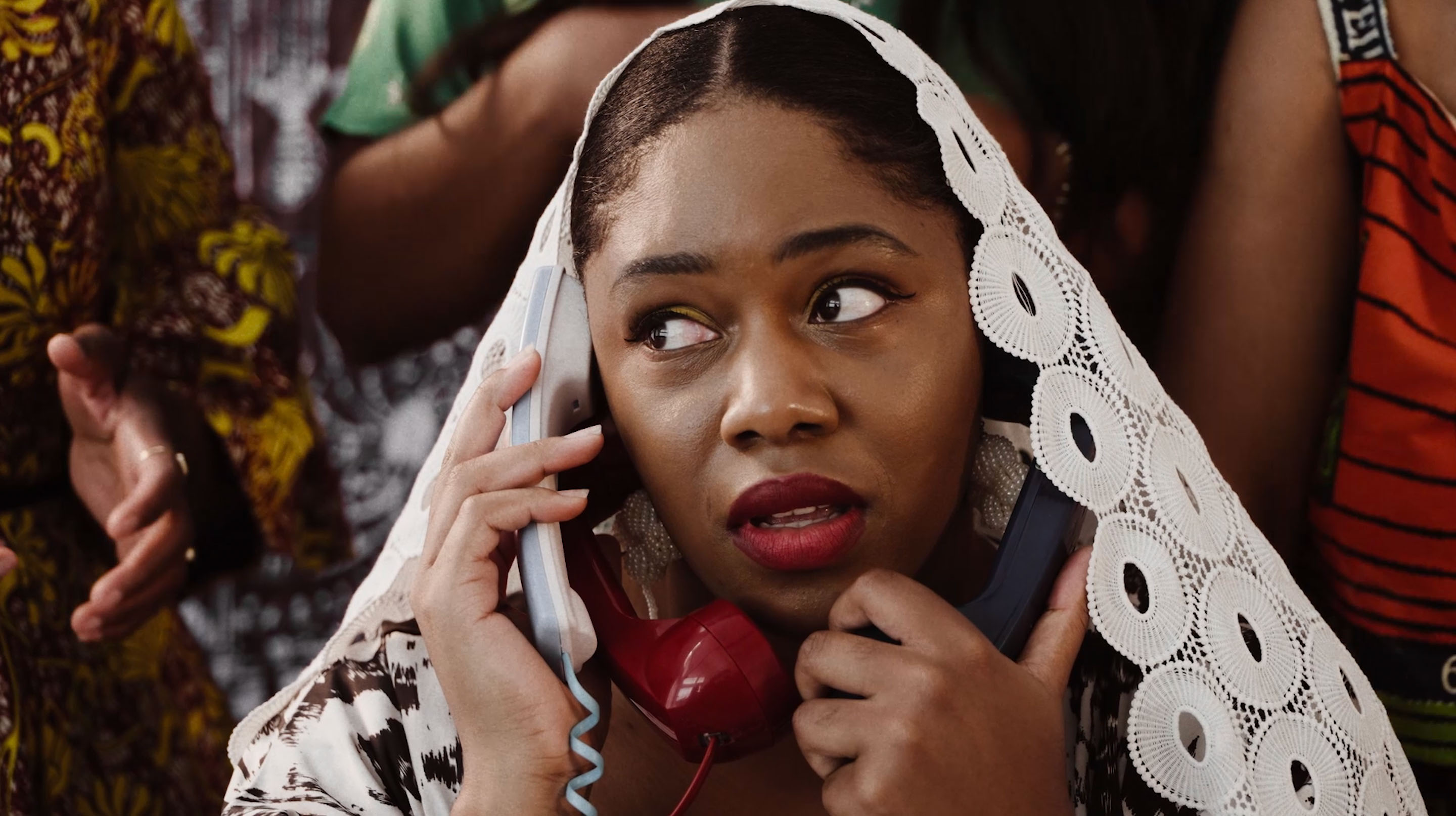
My last film, Tina, When Will You Marry?, explored the pressure on Nigerian women over 30 to marry. It has screened at over 40 festivals worldwide. Black Tax continues that mission; grounded in a specific culture, but universal in its emotional truth.
Where Your Money GoesEvery dollar goes
directly to the screen.
Make a Contribution
Donating from outside Nigeria? We accept all major international cards and PayPal transactions. Every dollar goes directly to production.
🔒 Payments processed securely via Stripe or PayPal · ThatAfrikan Productions · Ontario, Canada
Donate in Naira
Based in Nigeria? Pay securely in NGN via card, bank transfer, or USSD — powered by Paystack.
🔒 Secured by Paystack · Approx. rate: ₦962 = $1 CAD · Rate updated June 2026
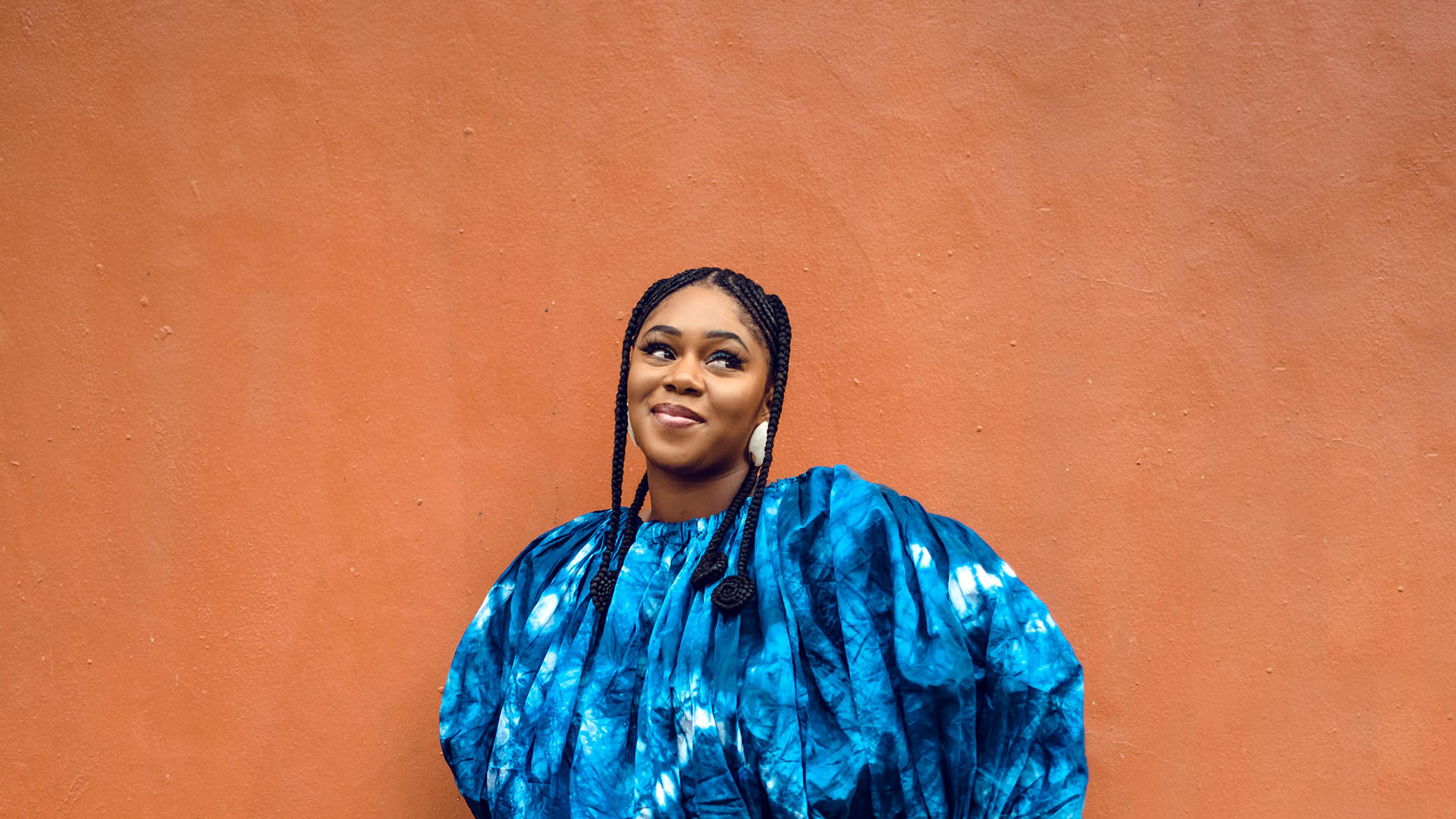
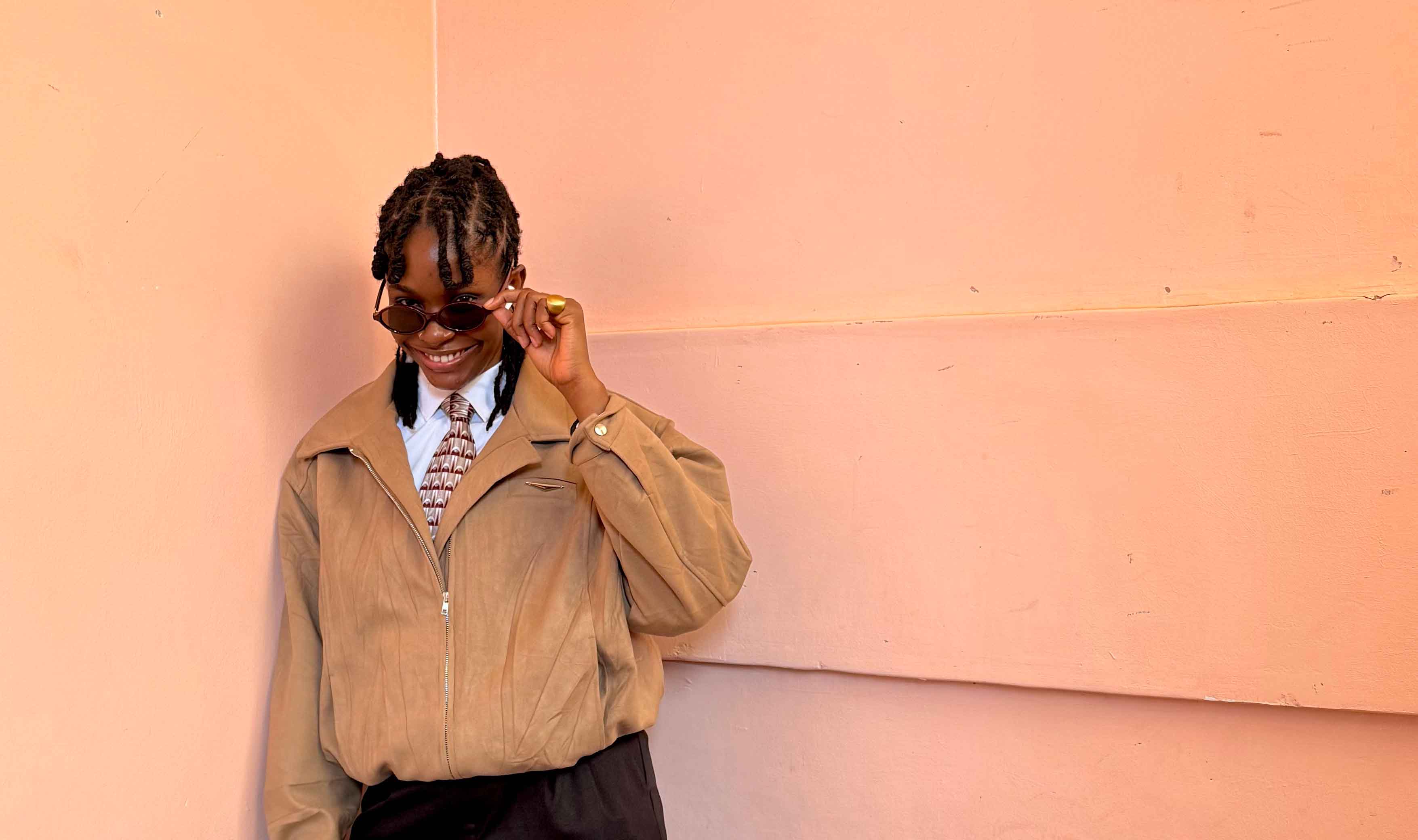
Celestina is a Nigerian-Canadian filmmaker, actor, and cultural curator whose work explores culture, tradition, and the stories Black communities tell (and don't tell) about themselves. Her debut documentary Tina, When Will You Marry? has screened at over 40 festivals worldwide, winning Best Short Documentary at The Annual Film Mischief, Beach House Short Film Festival, and Eye2Eye Film Festival. As an actor, she has featured on Showtime's Fellow Travelers, Amazon Prime Video's Reacher, and the hit Nigerian Prime Original movie After 30. She also curates the Resilient Women Series, a travelling showcase that has brought powerful stories from Lagos to Los Angeles to Nairobi, with Toronto on the horizon. Black Tax is her most personal film yet.
Ella Chikezie is a multi-award-winning writer, producer, and director, celebrated for her distinct cinematic touch. She has produced two features, including Christmas in Lagos (an Amazon Prime Original directed by Jade Osiberu) and Choke (a three-time AMVCA nominee and AFRIFF Globe Awards winner in 2022), and production managed Tokunbo (on Netflix, directed by Ramsey Nouah). She has directed TV shows including Afrimaxx for DW (Germany) and The Home Channel (South Africa), Ehe, It's a Match (on Honey TV on DStv), music videos, live events, documentaries, and TV commercials. Ella was a 2025 nominee for the Future Africa Awards Prize for Film, and her recent short film In Her Shoes has won numerous international awards.
See what we've
already made.
Watch what ThatAfrikan Productions has built before you invest in what's next.